60 Days to a Stronger Network: A Deliberate Framework for Building Career-Changing Connections
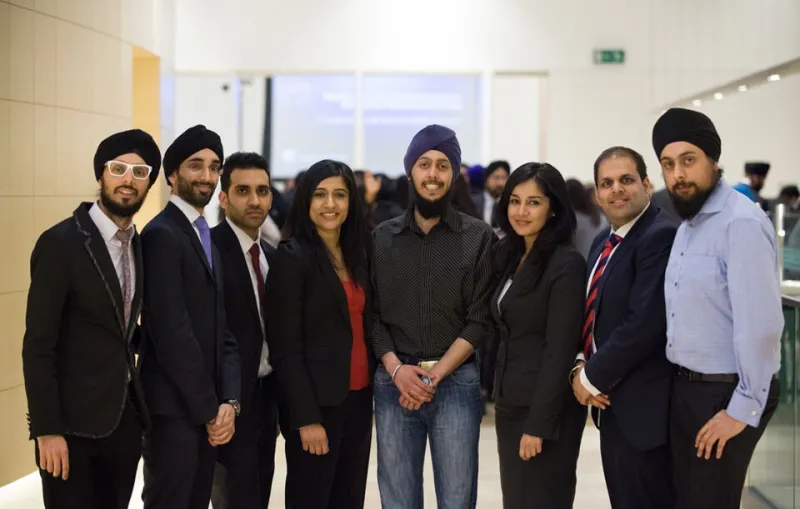
Photo: Englishseva, CC BY-SA 4.0, via Wikimedia Commons
The Problem With Passive Networking
For most working professionals, networking is something that simply happens — a business card exchanged at a conference, a LinkedIn request accepted without much thought, a former colleague encountered at a chance reunion. Over time, this passive accumulation produces a contact list that is broad but shallow, extensive but largely inert.
The professionals who advance most deliberately do not leave their networks to chance. They treat relationship-building the same way elite athletes treat training: with intention, structure, and measurable targets. If you are serious about accelerating your career, it is time to apply that same discipline to the people who will ultimately open the doors you most want to walk through.
This 60-day framework is designed to help you do exactly that.
Why 60 Days? The Case for Time-Bound Networking
Compressed timeframes create urgency, and urgency produces action. When networking has no deadline, it is perpetually deprioritized in favor of immediate deliverables. A 60-day sprint forces you to be selective about who you pursue, intentional about how you engage, and consistent in your follow-through.
Sixty days is also long enough to move a relationship from introduction to genuine rapport. Research in social psychology suggests that repeated, meaningful interactions over four to six weeks are sufficient to establish the foundation of a professional trust relationship. That is precisely the window this framework exploits.
Days 1–10: Audit and Define Your Network Goals
Before reaching out to a single new contact, spend the first ten days conducting an honest audit of your existing network. Map out your current connections by category: mentors, peers, industry leaders, cross-functional contacts, and potential sponsors. Identify the gaps.
Then ask a more pointed question: what do you actually need from your network right now? Are you seeking a pivot into a new industry? Trying to move into a leadership role? Exploring whether your skills translate to a different sector of the economy? Your networking targets should be determined by your career goals, not by proximity or convenience.
Set three to five specific objectives for the 60 days. These might include securing two informational interviews with professionals in a target company, connecting with a recognized thought leader in your field, or identifying a potential mentor with experience in a domain you are trying to enter.
Days 11–25: Build Your Outreach Infrastructure
LinkedIn is the most powerful professional networking tool available to US-based professionals today, but most people use only a fraction of its capability. During this phase, treat your LinkedIn profile as a living document rather than a static resume. Update your headline to reflect your professional direction, not just your current title. Publish at least one substantive post per week that demonstrates your expertise or perspective on a relevant industry topic. Engagement builds visibility, and visibility generates inbound connection requests from people already aligned with your interests.
For direct outreach, craft personalized connection messages that reference something specific — a post the person wrote, a project they led, a mutual connection who spoke highly of them. Generic requests are routinely ignored. A single specific sentence signals that you have done your homework and that the relationship is worth the recipient's time.
In parallel, identify two or three industry events — conferences, professional association meetups, alumni gatherings — taking place within your 60-day window. In-person interactions remain disproportionately effective at building trust quickly. A 20-minute conversation at an event can accomplish what six weeks of email exchanges cannot.
Days 26–45: Execute With Discipline
This is the phase where most professionals stall. The outreach feels awkward, the responses are slower than expected, and the temptation to retreat to passive mode is strong. Resist it.
Aim to initiate five to seven new meaningful connections per week. Not five hundred — five to seven. Quality of engagement matters far more than volume. For each person you connect with, have a clear sense of what you hope to learn from them and what value, however modest, you might offer in return. Networking is not extraction; it is exchange. Even early-career professionals have something to contribute — fresh perspectives, knowledge of emerging tools, or connections within their own networks.
When someone agrees to a call or coffee, prepare thoroughly. Know their background, understand their current work, and come with two or three specific questions that cannot be answered by a Google search. Respect their time, and always follow up within 24 hours with a note of genuine appreciation and a specific takeaway from the conversation.
Days 46–60: Convert Connections Into Opportunities
A connection that never moves beyond the initial introduction has limited career value. The final phase of the sprint is about deepening the most promising relationships and creating conditions for ongoing engagement.
For contacts who have been particularly generous with their time or insight, look for ways to add value before asking for anything further. Share a relevant article, make a thoughtful introduction, or offer a brief endorsement of their work on LinkedIn. These gestures are remembered.
For relationships that show mentorship potential, consider making a direct but low-pressure ask. Something along the lines of: "I've found our conversations genuinely valuable, and I'd love to continue learning from your experience. Would you be open to a monthly check-in call?" Many experienced professionals are willing to mentor when asked clearly and respectfully.
Finally, document what you have built. By day 60, you should have a clearer, more activated network — not just a longer contact list, but a set of relationships with real professional momentum.
Sustaining What You Built
The 60-day sprint is a catalyst, not a destination. The relationships you have cultivated require ongoing attention. Schedule quarterly touchpoints with your most valuable connections, stay active on LinkedIn, and continue attending industry events even when no immediate opportunity is on the horizon.
The professionals who benefit most from their networks are the ones who invest in those relationships consistently, not just when they need something. Build that habit now, and your network will become one of the most durable assets in your professional portfolio.
At Sprint Program, we believe that career acceleration is rarely accidental. It is the product of deliberate strategy applied with focus and consistency. Your network is no different — build it with intention, and it will return the investment many times over.