From Background to Forefront: A 90-Day Blueprint for Becoming the Professional Everyone Notices

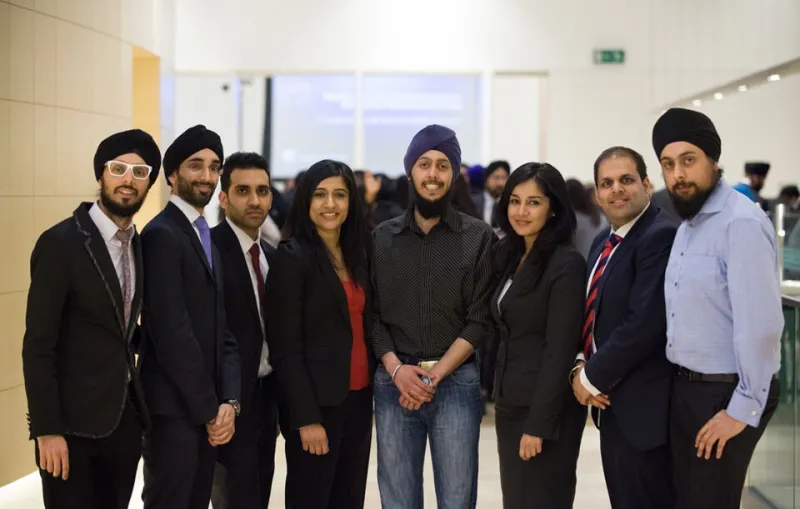
Photo: professional presenting confidently in corporate meeting room, via img.freepik.com
The Quiet Professional's Dilemma
There is a persistent myth in American workplaces: that excellent work speaks for itself. For a small number of professionals in highly transactional roles, this may hold true. For the vast majority, it does not. Research from organizational behavior studies consistently shows that promotion decisions are influenced as much by perceived contribution as by actual output. The gap between those two things is visibility.
Consider the findings from a 2023 LinkedIn Workforce Confidence survey, which found that professionals who actively shared insights in professional settings—whether in meetings, on internal platforms, or through industry content—were 3.2 times more likely to report receiving unsolicited career opportunities than those who did not. The data is clear: being seen is a professional skill, not a personality trait.
The good news is that visibility is learnable, and it is acceleratable. What follows is a structured, 90-day sprint designed for career-focused professionals who want to shift from overlooked to indispensable—without abandoning the substance that makes their work worth noticing in the first place.
Why 90 Days Is the Right Timeframe
Ninety days is long enough to establish a pattern and short enough to maintain urgency. In organizational psychology, this window aligns with what researchers call the "impression recalibration period"—the span within which colleagues and leaders can meaningfully update their perception of a peer's contribution level. Sprint it too fast and the effort looks performative. Extend it indefinitely and momentum dissipates.
The framework below is divided into three phases of 30 days each, with escalating intensity and expanding scope.
Phase One (Days 1–30): Internal Signal Building
The first phase focuses entirely on your immediate environment—your team, your department, and the meetings you already attend.
Strategic meeting participation is the lowest-barrier, highest-return lever available to most professionals. This does not mean speaking more; it means speaking more deliberately. Before each meeting, identify one substantive point you can contribute—a data reference, a clarifying question, or a connection between agenda items. Research from Harvard Business Review has shown that professionals who consistently offer one high-quality contribution per meeting are rated significantly higher on leadership potential by their managers than those who either dominate conversations or remain silent.
Documentation of impact is the second priority in this phase. Begin maintaining a running record of outcomes you have influenced—quantified where possible, contextualized where not. This document serves two purposes: it provides material for future conversations with leadership, and it sharpens your own awareness of where your contribution is actually landing.
Finally, identify two internal stakeholders outside your immediate team whose work intersects with yours. Schedule brief, agenda-driven conversations to understand their priorities. These relationships will become distribution channels for your visibility in phases two and three.
Phase Two (Days 31–60): Thought Leadership at Micro-Scale
Phase two extends your visibility beyond the room you are physically in.
The term "thought leadership" intimidates many professionals because it conjures images of keynote stages and viral LinkedIn posts. In practice, micro-thought leadership is far more accessible and often more effective within organizational contexts. It means producing one piece of substantive professional insight per week—a brief summary of an industry trend shared in a team Slack channel, a short memo to your manager connecting an external development to an internal challenge, or a two-paragraph LinkedIn post reflecting on a problem your industry is navigating.
Consistency matters more than volume. Professionals who published weekly professional insights on LinkedIn for 60 consecutive days reported a measurable increase in profile views and inbound connection requests from senior-level contacts, according to data aggregated by content strategy firm Convince & Convert. The compounding effect of regular, relevant content is well-documented.
During this phase, also begin cultivating a calculated mentorship relationship. This is not about finding a sponsor who will advocate for you immediately. It is about identifying a leader—internal or external—whose career trajectory reflects where you want to go, and initiating a structured exchange: you offer a specific form of value (research support, a perspective on emerging tools, insight into a generational or demographic dynamic), and you request their perspective on a targeted professional challenge. This framing positions you as a peer-in-development rather than a supplicant, which meaningfully changes how senior professionals engage with you.
Phase Three (Days 61–90): Expanding the Perimeter
The final phase is about anchoring your visibility to your professional reputation beyond your current employer.
Seek one external speaking or contribution opportunity. This might mean submitting a short piece to an industry newsletter, participating in a professional association panel, or presenting at an internal company event that draws cross-functional attendance. The goal is not fame—it is association. When decision-makers at your organization hear your name connected to an external context, your internal status recalibrates accordingly.
By day 90, revisit the impact documentation you began in phase one. Identify the three most significant contributions from the sprint and prepare a concise narrative around each. These are the building blocks of a visibility-informed performance conversation with your manager—a conversation you should initiate, not wait for.
What Visibility Is Not
A framework like this invites a reasonable concern: does strategic visibility reward self-promotion over genuine contribution? The answer depends entirely on whether the visibility is grounded in real work. The professionals who sustain accelerated career trajectories are not those who perform competence—they are those who ensure their actual competence is legible to the people making decisions about their future.
Visibility without substance is a short-term tactic. Visibility built on documented, communicated, consistently demonstrated value is a career asset.
The Sprint Mindset Applied to Recognition
At Sprint Program, we believe that career acceleration is not about luck or access alone—it is about applying focused, structured effort to the dimensions of professional life that are most likely to produce compounding returns. Visibility is one of those dimensions.
Ninety days is enough time to change how you are perceived. The only question is whether you are willing to be intentional about it.